

A Tesla battery in winter does not lose capacity, but a cold battery delivers less power, limits regenerative braking and charges more slowly. Tesla’s answer is preconditioning: if the battery is warm before you set off or by the time you reach a fast charger, both range and charging speed are clearly better. If the car will not charge at all in the cold, the cause may be a fault.
This article explains why the cold limits a Tesla battery in winter, how to use scheduled departure and preconditioning for charging, what the blue snowflake icon means and which winter faults we see on older Model S and Model X cars.
Why a Tesla battery in winter is weaker
A Tesla battery in winter works more slowly because the chemical processes in lithium-ion cells slow down in the cold. To protect the cells, the BMS limits charging and discharging current while the battery is cold. Some of the energy is there, but it cannot be used until the battery warms up. Heating the cabin and the battery also takes energy, so real-world range shrinks.
How much range does a Tesla battery in winter give up? In Recurrent’s study, based on data from more than 30,000 cars, electric cars kept an average of 78 % of their maximum range at 0 °C and 70 % at –7 °C. A heat pump added about 10 % of range at 0 °C, and Tesla models were among the best performers in winter.
The type of driving matters too. On short town trips much of the energy goes into warming a cold cabin and battery, while on a long motorway drive the same cost is spread over more kilometres. Snow, slush and winter tyres add rolling resistance, so the same journey takes noticeably more energy in winter.
What the blue snowflake icon means
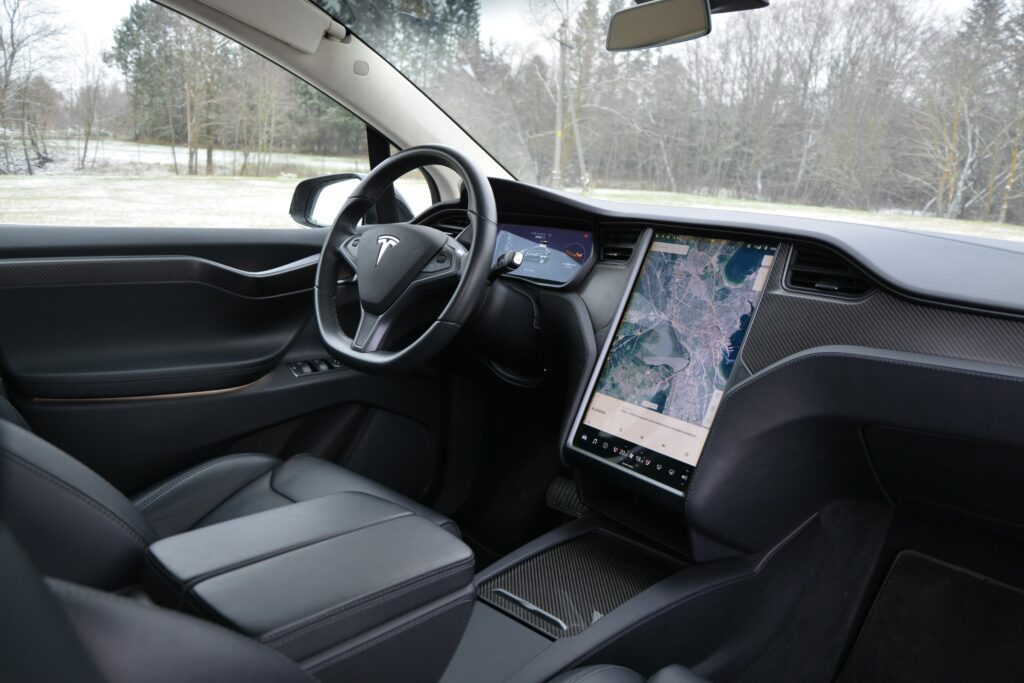
When the battery is cold, Tesla shows a blue snowflake next to the battery meter. According to Tesla’s owner’s manual, it means some of the stored energy is unavailable because the battery is cold; that portion appears in blue on the battery bar. Regenerative braking, acceleration and charging rates may also be limited.
Limited regenerative braking means the car slows down less than usual when you lift off the accelerator, so you will use the brake pedal more often. As you drive, a Tesla battery in winter gradually warms up and the limits ease. If the snowflake stays after a long drive or in a heated garage, have the battery thermal system checked.
Preconditioning a Tesla battery in winter
The most effective way to prepare a Tesla battery in winter is to warm it while the car is still plugged in, so the energy comes from the grid rather than the battery. Tesla recommends using Schedule, found on the charging and climate screens, or switching on the climate from the app at least 30–45 minutes before you leave.
When heading to a fast charger, set it as your navigation destination. On the way to a Supercharger the car warms the battery so it is ready to charge on arrival, and in newer software this also works with many third-party fast chargers. If the charger is very close, warm the battery from the app before leaving, as a short drive will not heat it enough.
Warming a Tesla battery in winter on the way uses a little energy, but charging is much faster afterwards. On a longer winter trip, for example from Tallinn to Tartu or Pärnu, plan the charging stop through the navigation so the car knows when to start warming the battery. That way you do not sit at the charger waiting for a cold battery to warm up.
Five habits help in winter:
- Leave the car plugged in overnight where possible, so the charging system keeps the battery warm.
- Set a scheduled departure so the battery and cabin are warm at the right time.
- Before fast charging, set the charger as your navigation destination.
- Use the seat and steering wheel heaters, which use less energy than heating all the cabin air.
- Do not leave the car in freezing weather for long with a nearly empty battery.
Charging in the cold
When you plug in a cold car, part of the power first goes into warming the battery, so charging can be very slow at the start. That is normal: a Tesla battery in winter only accepts high current once it is warm. The difference is greatest at fast chargers, because an unconditioned battery accepts noticeably less power and charging takes longer.
A cold battery is less of a problem when charging slowly at home, because charging takes a long time and the battery warms up along the way. If charging does not start at all, check the connection first: an iced-up charge port can prevent charging. We cover the common causes and fixes in our Tesla not charging article.
Winter faults on older Model S and Model X cars
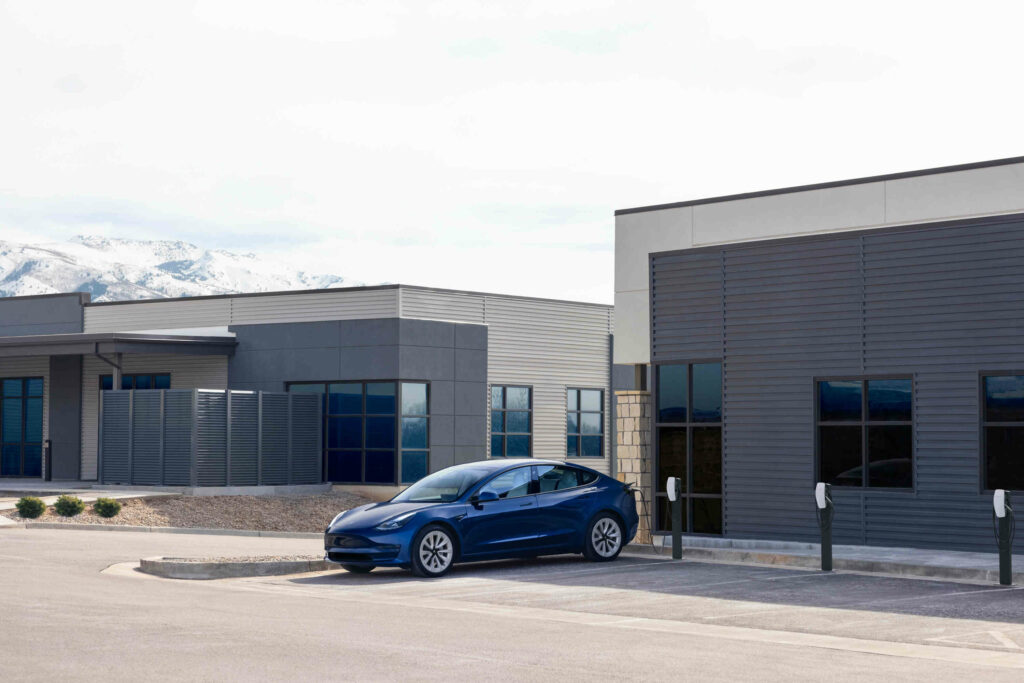
Model 3 and Model Y warm the battery mainly with waste heat from the drive unit, and every Model Y and newer Model 3 has a heat pump. On older Model S and Model X cars the battery is warmed by a separate coolant heater. If it fails, the car may not charge at all in freezing weather, and a battery-heating message can stay on the screen for hours.
A fault like this is easy to mistake for normal winter behaviour, but it will not fix itself. With Toolbox 3 we read the thermal system and BMS alerts, check the heater and the coolant circuit, and tell you what needs replacing. Diagnostics and electrical work start from €150, prices exclude VAT.
Getting ready for winter
To keep your Tesla battery in winter free of surprises, have the battery and thermal system alerts, the coolant level, the 12 V battery and the brakes checked before the frosts, since brakes rust quickly on salted roads. Tesla recommends cleaning and lubricating the brake calipers every year or every 20,000 km where roads are salted. Tesla maintenance starts from €60. For tips on doors, windows and tyres, see our Tesla in winter article.
Frequently asked questions
Why does my Tesla charge slowly in winter?
A cold battery accepts less charging current, and some energy first goes into heating it. Warm the battery before fast charging through the navigation or the app, and keep the car plugged in at home.
How much range does a Tesla battery in winter lose?
According to Recurrent, electric cars kept an average of 78 % of their maximum range at 0 °C and 70 % at –7 °C. Cars with a heat pump, Teslas included, do better than average. Short trips in a cold car use the most energy.
Does cold weather damage a Tesla battery?
Not in a normal Estonian or Finnish winter: a Tesla battery in winter is protected by the BMS, which limits current while the battery is cold and warms it when needed. The bigger risk is leaving the car in the cold for a long time with a nearly empty battery; letting it run completely flat is also excluded from the warranty.
What should I do if the snowflake icon does not go away?
If the icon stays even after a long drive or in a warm garage, the battery heating may be faulty. Book diagnostics to read the thermal system and BMS alerts.
Autumn, before your Tesla battery in winter is put to the test, is a good time for maintenance: we check the battery and thermal system, the brakes and the 12 V battery in one visit. See our Tesla maintenance service, call +372 5851 0695, email info@servicemode.ee or contact us.