

Tesla battery care is mostly about habits. The high-voltage battery needs no owner maintenance, and Tesla says its coolant does not need replacing for the life of the car under most circumstances. What decides battery life is the right charge limit, how much you fast charge, long periods of standing, and whether the pack casing and cooling system stay intact on salted roads.
This guide covers Tesla battery care in four parts: why LFP and nickel batteries need different charging habits, how fast charging affects the pack, how to leave the car parked for a long time, and what a workshop should check. We also share a case from our workshop showing what salt and moisture can do inside an older Model S pack.
Which battery does your Tesla have: LFP or nickel?
Tesla battery care starts with knowing the chemistry. Many rear-wheel-drive Model 3 and Model Y cars use a lithium iron phosphate (LFP) battery, while longer-range versions and the Model S and Model X use a nickel-based battery. You can see the battery type on the touchscreen under Controls > Software > Additional Vehicle Information.
The charging screen is another reliable clue. According to Tesla’s owner’s manual, the car shows the recommended daily and trip charge limits for your battery under Controls > Charging and in the mobile app. If the screen recommends 100% for daily charging, you have an LFP battery. If it recommends about 80%, the battery is nickel-based, and 100% is best kept for long trips.
Tesla battery care starts with the charge limit
For a Tesla with a nickel-based battery, Tesla recommends keeping the daily limit at about 80% and charging to 100% only when a long drive is ahead. Older manuals phrase the same idea as keeping daily charging below 90%. Either way, the less time the battery spends at a very high state of charge, the more slowly it ages.
LFP is the opposite. For LFP cars, Tesla has recommended keeping the charge limit at 100% even for daily use and charging fully at least once a week. An LFP cell’s voltage changes very little in the middle of its charge range, so the battery management system (BMS) needs a full charge now and then to estimate charge level and range correctly.
A general rule applies too: charge often rather than rarely. Tesla’s owner’s manual says there is no advantage to waiting until the battery is low before charging, and the battery performs best when charged regularly. Avoid leaving it near 0% or 100% for long periods, and plug the car in whenever you are not using it.
Fast charging: useful on trips, in moderation day to day
Good Tesla battery care does not rule out fast charging. Tesla does note that the peak charging rate may decrease slightly after a large number of DC fast charging sessions, adding a few minutes to Supercharging over time. That is why Tesla suggests charging at home or at work where possible and saving Superchargers for road trips.
When heading to a fast charger, select it in the car’s navigation so the car warms the battery on the way and charges faster. A lower state of charge charges faster, so do not wait for 100% at a Supercharger if less gets you there. That saves time and limits the time the battery spends at high charge.
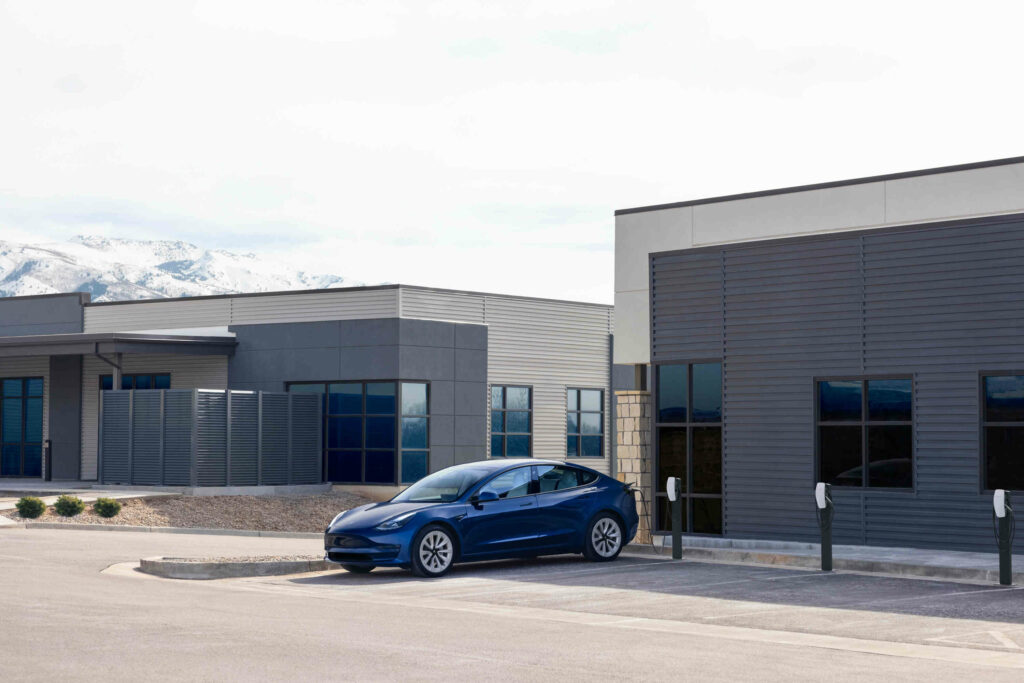
Long-term parking, frost and heat
Long-term parking is an important moment for Tesla battery care. A parked Tesla uses energy for its electronics and to recharge the 12 V battery, and Tesla estimates that an unplugged car can lose around 1% of charge per day, more in cold weather. If the battery drops to 0%, other components can be damaged too, and those costs are not covered by the warranty.
For Tesla battery care during a longer absence, for example while you fly somewhere, do this:
- charge to around 50% and keep the car plugged in if possible;
- turn off Sentry Mode and any other consumers you do not need while parked;
- without a charger, allow for about 1% a day, roughly 14% over two weeks;
- never let the charge drop to 0%, as that can mean replacing the 12 V battery as well.
Tesla also advises against leaving the car for more than 24 hours at temperatures below -30 °C or above 60 °C. In a Nordic winter this usually means keeping the car plugged in during hard frost and using scheduled preconditioning. Read more in our article on the Tesla battery in winter.
Tesla battery care at the workshop: underside, cooling and salt
Workshop-level Tesla battery care focuses on what surrounds the pack. Tesla’s manual states that battery coolant level should only be checked by Tesla or a professional repair shop, and damage caused by opening the coolant reservoir is not covered by the warranty. If the screen warns of low fluid, bring the car in rather than topping up yourself. A workshop check should cover:
- the pack underside, mountings and shields after winter, and any stone impact marks;
- corrosion and seals, especially on older Model S and Model X cars;
- coolant leaks and fluid level;
- BMS alerts and cell group voltages, read with Toolbox 3.
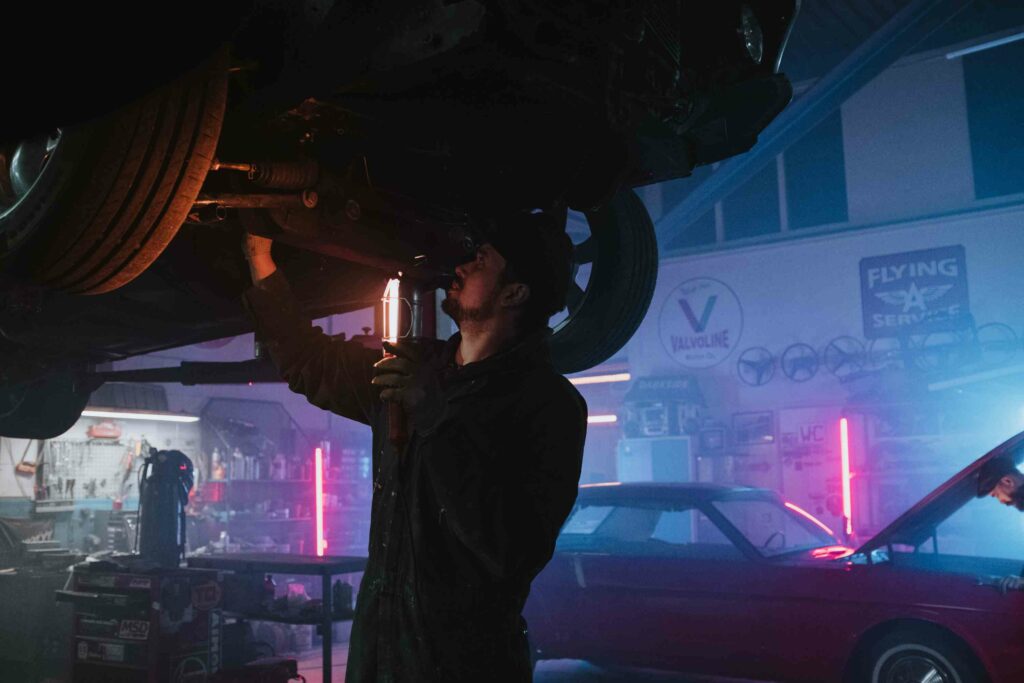
A case from our workshop shows why Tesla battery care matters on salted roads. The BMS of a Tesla Model S 85 pack reported 95% charge, but the pack measured only about 50 V DC instead of roughly 400 V. Road salt and time had corroded the aluminium, water had leaked into the BMS board section, the BMS had failed, and the contactors had burned and welded shut.
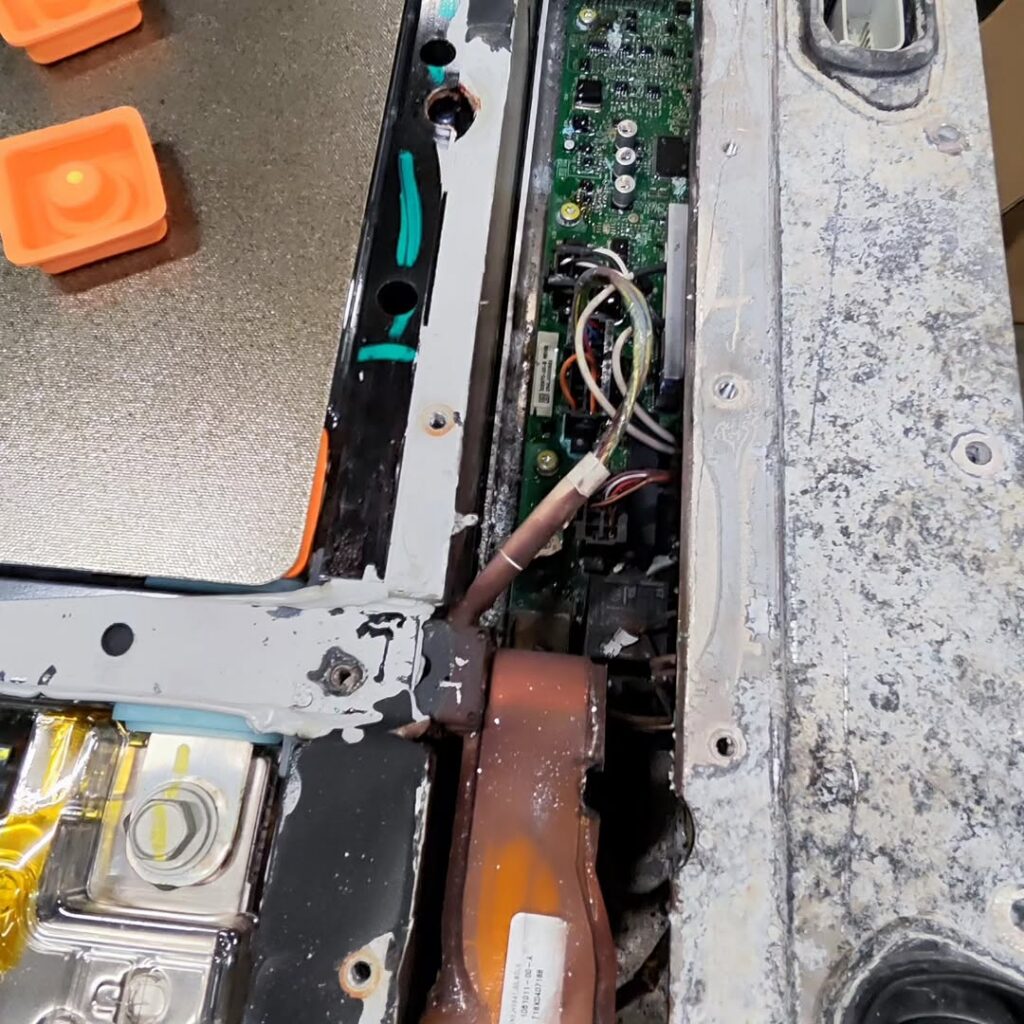
To prevent such damage, good Tesla battery care includes checking the pack underside and mountings at every service, especially if the car is driven on salted roads. Tesla recommends cleaning and lubricating the brake calipers every year or 20,000 km where roads are salted, which is a good moment to inspect the pack as well. If you suspect a battery fault, see our battery repair service.
Frequently asked questions
Can I charge my Tesla to 100% every day?
With an LFP battery, yes: Tesla has even recommended it, and a full charge at least once a week keeps the BMS calibrated. With a nickel-based battery, keep the daily limit around 80%, use 100% only before a long trip and do not leave the car fully charged for days. The current recommendation for your car is shown on the charging screen.
Does fast charging damage a Tesla battery?
Fast charging is designed into the battery and is fine to use. According to Tesla, the peak charging rate may drop slightly after a large number of DC sessions, which lengthens charging by a few minutes over time. For everyday charging AC is the better choice, and fast charging is best kept for trips.
How often should Tesla battery care be done at a workshop?
Tesla sets no separate inspection interval for the high-voltage battery, and the coolant usually does not need replacing. Sensible Tesla battery care means checking the pack underside, mountings and leaks at every scheduled service, and at least once a year if you drive on salted roads. If a battery warning appears, have the BMS alerts checked straight away.
How do I leave a Tesla parked for a long time?
Charge to around 50%, keep the car plugged in if you can and hold that level with the charge settings. Turn off Sentry Mode and other unnecessary consumers. Without a charger, allow for about 1% a day and leave enough margin so the battery never falls to 0%.
Book a battery check
Tesla battery care is easier when the battery’s condition is measured now and then. During Tesla maintenance we can inspect the pack underside, the cooling system and the BMS alerts. In our price list, Tesla maintenance starts from €60 and diagnostics from €150, excluding VAT. Book on +372 5851 0695, at info@servicemode.ee or via our contact page. The workshop is at Tähnase 1 in Peetri, next to Tallinn Airport.